Children learn through more than formal lessons. Everyday conversations, creative activities, outdoor adventures, and opportunities to make independent choices help them develop skills for school and daily life. The most meaningful experiences reflect a child’s age, interests, abilities, and personality. A toddler might explore different textures, while a school-age child enjoys building a model or learning a new sport.
Parents can encourage development by combining structured learning with creative play, recreation, and family activities. Educational settings and supportive care arrangements can complement what children learn at home, while hobbies help them discover new interests. Rest and unstructured play are equally important because children need time to explore without constant direction.
Rather than planning every moment, observe what captures your child’s attention and introduce opportunities that build on those interests. By adapting activities as children grow, families can encourage curiosity, independence, creativity, and confidence without placing unnecessary pressure on children to achieve specific milestones.
Build Early Learning Habits Through Age-Appropriate Educational Choices
Early childhood is an important time for developing communication, literacy, number recognition, and social skills. Parents can support these abilities through everyday experiences, such as reading together, counting toys, singing songs, and encouraging children to describe what they notice. Learning should feel engaging rather than like a test.
When exploring vpk schools, consider how each setting balances structured instruction with play, movement, and rest. Ask how teachers adapt activities for children with different interests and needs. A welcoming classroom should give children opportunities to participate, ask questions, interact with classmates, and practice new skills.
Before choosing a program, consider these factors:
-
Classroom routines: Ask how the day balances learning, play, meals, and rest.
-
Teacher interaction: Observe whether educators listen and respond patiently.
-
Family communication: Find out how staff share progress and discuss concerns.
-
Learning opportunities: Look for stories, counting, music, art, and problem-solving.
The goal is to find an environment that supports development while helping children feel safe, curious, and ready to participate.
Evaluate Preschool Environments Before Making a Long-Term Commitment
Choosing a preschool involves more than comparing tuition or selecting a convenient location. The environment should support children’s emotional comfort and educational development, with opportunities to explore, communicate, and practice independence.
When evaluating a private preschool, arrange a visit during regular operating hours. Observe how teachers handle disagreements, help children transition between activities, and encourage participation without pressuring reluctant learners. Ask about staff experience, supervision, illness policies, and how the school supports children who need additional help.
Use these questions to guide your visit:
-
How are new children introduced to classroom routines?
-
What happens when a child becomes upset or struggles with an activity?
-
How are families informed about daily experiences and progress?
-
What opportunities exist for outdoor play, creative expression, and group interaction?
Compare the answers with your family’s priorities. A suitable setting should offer clear communication, consistent care, and an approach that fits your child’s needs.
Use Local Recommendations to Narrow Down Educational Options
Recommendations from other parents can help families discover schools they might not find through an online search. However, another family’s experience is a starting point, not a guarantee that the same school will suit every child. Children differ in temperament, interests, and comfort with new routines.
When researching recommended private preschools, ask what families specifically appreciate, such as attentive teachers, engaging activities, or helpful communication. Ask about challenges, too, and how the school addressed them. Specific examples are more useful than general praise.
Create a comparison sheet to keep your research organized:
-
Educational approach: Does the school’s philosophy align with your priorities?
-
Practical arrangements: Are hours, location, and fees manageable?
-
Classroom environment: Do children appear engaged and supported?
-
Communication: Are questions answered clearly?
-
Enrollment details: Are availability, required documents, and policies explained?
Contact your preferred schools to confirm current details and arrange visits. Evaluating each setting against the same criteria helps you make a decision based on your child’s needs, rather than popularity alone.
Encourage Independence Through Hands-On Learning at Home
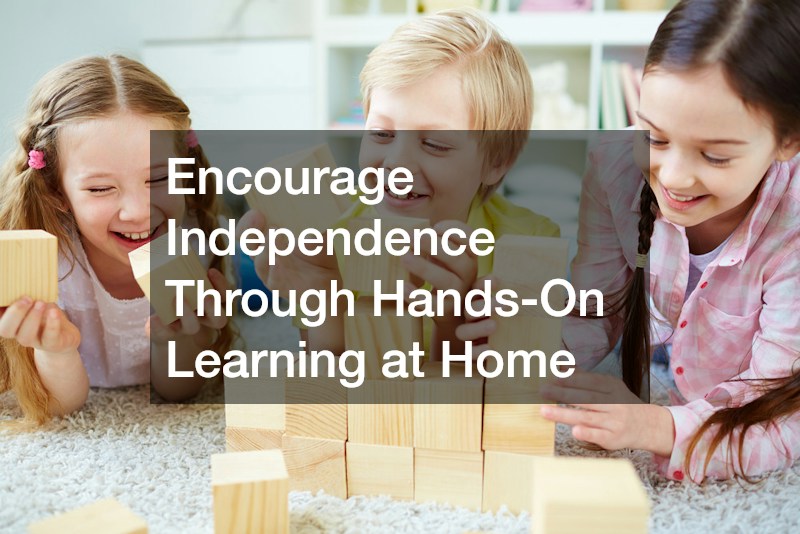
Children gain confidence when they can try tasks themselves, make simple decisions, and see the results. A Montessori program often emphasizes hands-on exploration and independence, principles parents can incorporate into family life. Simple household activities can encourage coordination, concentration, sequencing, and problem-solving without expensive materials.
Choose tasks that match your child’s abilities. A toddler might put toys into a basket, while an older preschooler could help sort laundry or prepare a simple snack with supervision. Give instructions in manageable steps and allow time for practice. When mistakes happen, offer guidance instead of immediately completing the task for the child.
Try these approaches at home:
-
Make materials accessible: Store safe toys and books within reach.
-
Offer choices: Let children choose between two books, outfits, or activities.
-
Demonstrate slowly: Show how to complete a task before inviting them to try.
-
Encourage problem-solving: Ask what they could try when something does not work.
-
Recognize effort: Praise persistence, not just successful results.
Independence develops gradually. Choose achievable challenges and provide encouragement, supervision, and opportunities to try again.
Choose Summer Activities That Combine Fun, Learning, and Social Growth
School breaks let children explore interests that may not fit into their usual schedules. The best summer camps for an individual child depend on their age, personality, interests, and comfort with unfamiliar settings. Some children enjoy sports and group games, while others prefer science, art, or nature activities.
Discuss options with your child before enrolling. Explain what a typical day involves and consider shorter sessions if your child feels nervous about being away from familiar caregivers. A good match provides appropriate supervision while allowing children to participate at a comfortable pace.
Compare programs using this checklist:
-
Activities: Does the schedule reflect your child’s interests?
-
Staffing: Ask about counselor experience and supervision.
-
Safety: Review emergency procedures, health policies, and pickup rules.
-
Daily structure: Check the balance of instruction, play, meals, and breaks.
-
Communication: Confirm how staff share updates and handle concerns.
-
Logistics: Consider transportation, hours, and costs.
Summer does not need to be fully scheduled. Leave room for reading, family outings, free play, and rest. Children can try new experiences without having every day planned around achievement.
Match Structured Activities to a Child’s Emerging Interests
An enrichment program can help children explore subjects beyond their regular school activities, including music, dance, sports, art, science, and coding. The goal is to discover interests and develop skills, not to fill every afternoon with lessons.
Pay attention to what naturally captures your child’s attention. A child who enjoys building structures might like engineering activities, while one who loves stories may enjoy drama or creative writing. Introductory classes let children try something new before families commit to a lengthy schedule or expensive equipment.
When choosing activities, consider the following:
-
Follow curiosity: Ask what your child wants to learn or try.
-
Check teaching style: Look for instructors who encourage questions and experimentation.
-
Consider the commitment: Review costs, travel time, and practice expectations.
-
Watch for enjoyment: Notice whether your child looks forward to attending.
-
Reassess periodically: Interests change, so review whether an activity remains suitable.
Children also need downtime. Too many commitments can leave little room for independent play, family relationships, or rest. A balanced schedule lets children explore new skills while enjoying childhood at their own pace.
Turn Everyday Family Time Into Meaningful Learning Opportunities
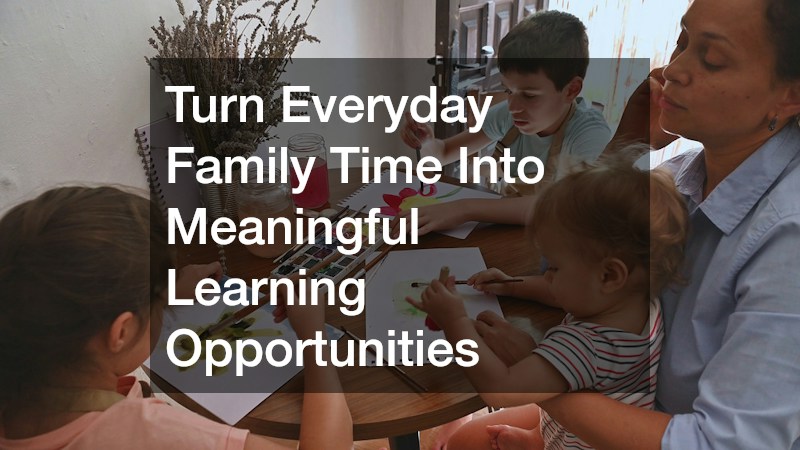
Shared activities help children develop practical skills and create family memories. Projects for toddlers and parents can introduce early concepts through direct experience. Children might explore colors while painting, practice counting with blocks, or develop coordination by moving large objects between containers.
Choose projects with simple steps and age-appropriate materials. Toddlers often benefit from brief activities with room to explore, while older children may enjoy following instructions or making creative decisions. Avoid expecting a perfect finished product. Let children experiment and describe what they notice.
Try these activities:
-
Plant a garden: Let children add soil, water seeds, and observe changes.
-
Make a collage: Use large paper shapes and child-safe adhesive materials.
-
Prepare a snack: Invite children to wash produce or arrange ingredients with supervision.
-
Create a sorting game: Group safe objects by color, size, or shape.
-
Build together: Use large blocks or cardboard boxes to create structures.
Follow your child’s interest and keep activities flexible. Store small parts, sharp tools, and hot items out of reach. A short, enjoyable project can be more valuable than a complicated activity that frustrates everyone.
Create Safe Outdoor Spaces That Encourage Active Play
Outdoor spaces give children room to run, explore nature, and practice physical skills. Families can make yards and patios more engaging with shaded areas, planting containers, age-appropriate equipment, and open space for movement. The design should reflect children’s ages and how adults will supervise activities.
For families considering a swimming pool, a qualified swimming pool contractor can explain design options, construction requirements, and safety features suited to the property. Discuss secure access, compliant barriers, and self-closing gates where required before finalizing plans. Safety should be part of the initial design.
Consider these steps when improving an outdoor area:
-
Create activity zones: Separate play areas from tools and other hazards.
-
Provide shade and water: Include breaks and hydration in outdoor routines.
-
Choose suitable surfaces: Consider fall risks and younger children’s needs.
-
Secure hazardous areas: Restrict access to pools, chemicals, and equipment.
-
Plan supervision: Decide which adult will actively watch children around water.
Children should never be left unattended near a pool, even briefly. Swimming lessons do not replace active adult supervision, barriers, or other appropriate safety protections.
Support Children’s Learning by Addressing Vision and Comfort Needs
Children rely on vision to read, recognize faces, follow demonstrations, and play sports. Difficulty seeing clearly can make these activities frustrating. Parents who notice frequent squinting, unusual head positioning, blurry-vision complaints, or difficulty seeing classroom materials should discuss their observations with an eye care professional. Children may not recognize or explain vision problems themselves, making routine eye care important.
If glasses are prescribed, comfortable eyewear can make daily use easier. When comparing kids eyeglasses stores, ask about frame fit, durability, lens options, and adjustments. Involve children in choosing a style they like, while confirming that the frames suit their prescription and activities.
Keep these points in mind:
-
Prioritize fit: Frames should sit securely without pinching or sliding excessively.
-
Consider daily activities: Ask about suitable options for school and sports.
-
Check durability: Discuss materials and care instructions with the optician.
-
Build a routine: Choose a consistent place to store glasses.
-
Follow professional guidance: Attend recommended examinations and adjustments.
Addressing vision needs can help children participate more comfortably in learning and recreation. Avoid assuming that every learning difficulty is caused by eyesight, and seek professional advice when concerns arise.
Choose Childcare That Supports Consistent Routines and Development
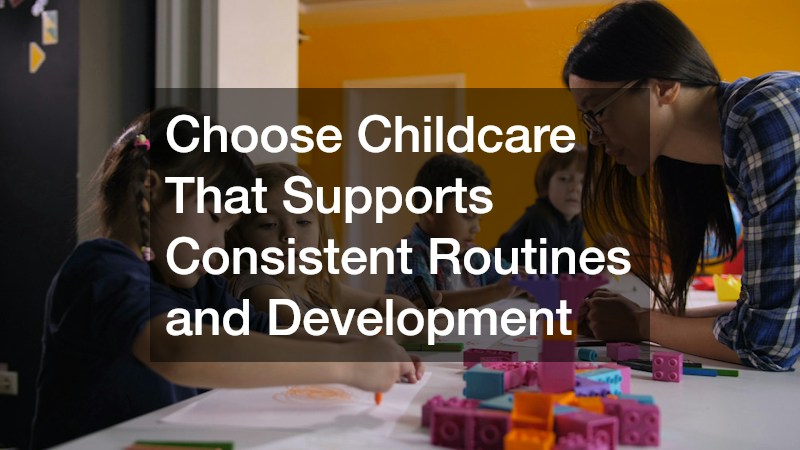
Reliable childcare gives children regular opportunities to interact with peers, explore activities, and become familiar with daily routines. When evaluating day care services, consider both practical arrangements and the quality of children’s experiences. A convenient location matters, but so do supervision, emotional support, and communication with families.
Arrange a visit and observe how caregivers interact with children. Notice whether adults speak respectfully, remain attentive, and respond when children need help. Ask about staff qualifications, group sizes, safety practices, meals, rest periods, and outdoor activities. Find out how the provider handles transitions, separation anxiety, and individual needs.
Before deciding, review these areas:
-
Daily routines: Ask how play, meals, rest, and learning are organized.
-
Communication: Find out how staff share updates and developmental observations.
-
Health and safety: Review emergency plans and pickup procedures.
-
Emotional support: Ask how caregivers comfort children and guide disagreements.
-
Family logistics: Confirm hours, fees, closures, and attendance policies.
A gradual introduction may help a child adjust. Maintain predictable routines where possible and discuss persistent concerns directly with caregivers. Quality childcare should complement family life and provide a responsive environment where children can learn and connect with others.
Enriching childhood experiences support learning, creativity, physical development, independence, and meaningful relationships. Families can encourage these qualities through educational settings, recreational activities, hands-on projects, and everyday routines that invite children to participate. The right choices reflect each child’s interests, abilities, and changing needs rather than following one formula for development.
Above all, enriching experiences should help children feel supported as they learn about themselves and the world around them. With thoughtful choices and consistent encouragement, families can create a lifestyle where curiosity, confidence, and enjoyment grow together.